Tabbed content by region and operating pattern
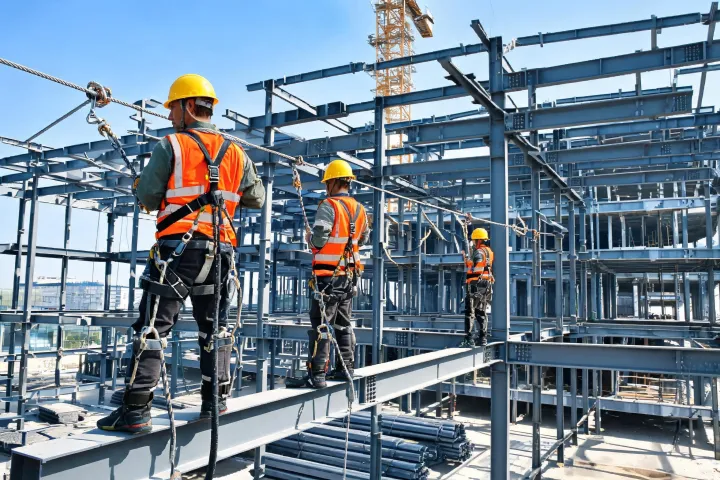
Construction and exterior access
Commercial contractors usually need speed, but the shortlist still depends on tie-off point, edge exposure, user sizing and rescue access. For this segment, the quote brief should include harness style, lanyard or SRL preference, anchorage condition, clearance below the worker and how the crew will record pre-use inspections.
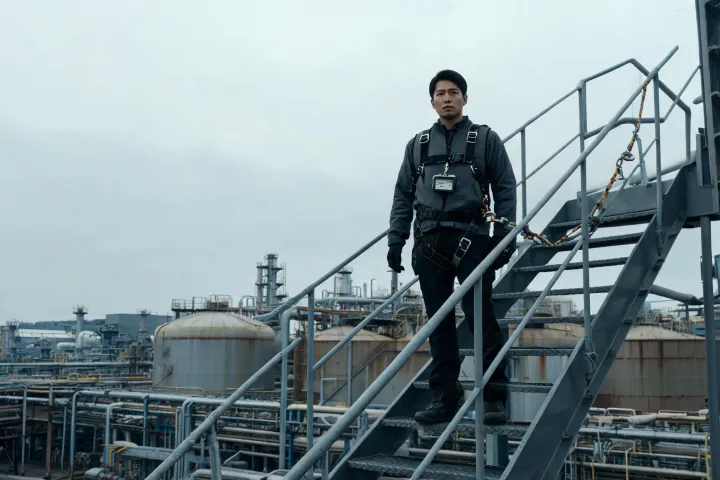
Energy, oil and mining assets
Harsh exterior environments add corrosion, contamination, rescue distance and storage issues. A useful equipment package should separate daily-use harnesses from specialized rescue kits and identify hardware materials, connector gates and inspection triggers before replenishment begins.
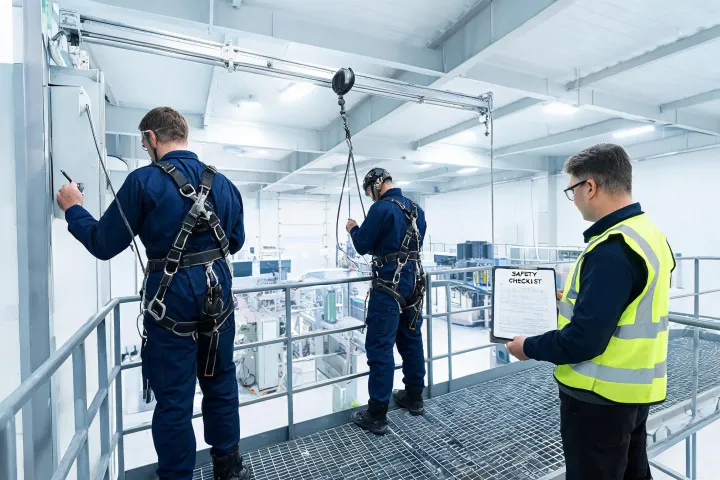
Manufacturing and facility maintenance
Interior platforms, fixed ladders, conveyors and equipment access points often call for repeatable, low-friction controls. The purchasing brief should make storage, inspection assignment, SRL mounting and changeout intervals obvious to the team that will manage the equipment after delivery.