Document First
Every request should leave behind enough information for inspection, replenishment and supervisor handoff.
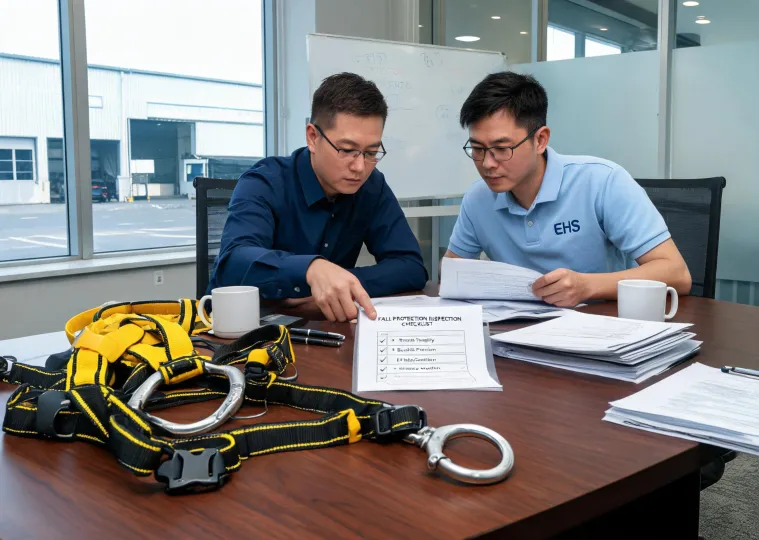
The Miller Fall Protection site is built around a simple idea: most fall protection purchases are not slowed down by the harness itself, but by the surrounding decisions. Buyers have to connect the task, anchor, connector, clearance, rescue route, worker sizing and inspection record before equipment can be issued responsibly. Our content, page structure and inquiry flow keep those details close to the product category so safety and procurement teams can work from the same brief.
Miller Fall Protection is presented for teams that want fewer assumptions in the quote process. A work-at-height program has too many hidden variables for vague product copy. The site therefore uses disciplined language: full body harness families, shock-absorbing lanyards, self-retracting lifelines, anchors, carabiners, horizontal lifeline systems and edge planning notes are discussed as linked decisions. That style is practical for distributors that need clean request details, and it is useful for EHS managers who later have to explain why a selected item belongs in a specific task package.
The voice is intentionally minimal. Instead of promising absolute outcomes, the content asks better questions and records the answers. It references standards such as ANSI/ASSP Z359 and OSHA 1910 / 1926 as planning context, while avoiding language that suggests a workplace regulator approves an individual product. That distinction matters in safety procurement because the right claim protects both the buyer and the supplier.
Good fall protection sourcing should make the next inspection easier, not just the first purchase faster.
Every request should leave behind enough information for inspection, replenishment and supervisor handoff.
Harnesses, lanyards, SRLs and anchors are treated as connected equipment families, not isolated line items.
References are used to clarify requirements, not to overstate approval or make broad safety promises.
Fewer duplicate SKUs make training, inspection and replacement easier across large teams.
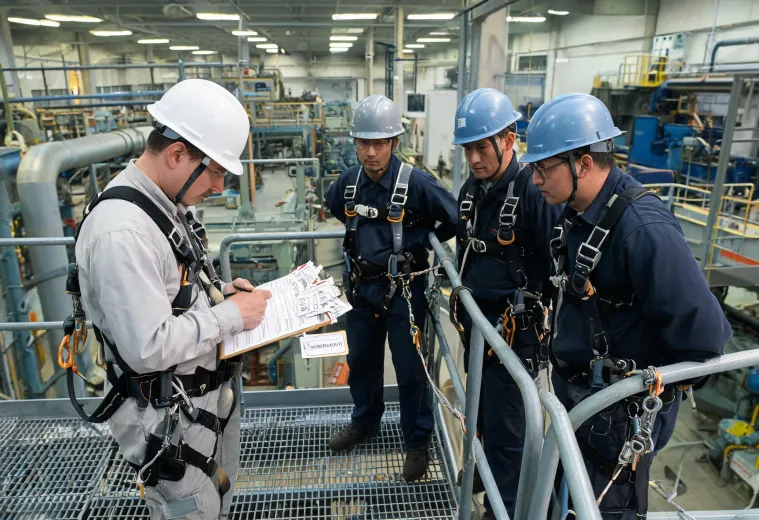
Procurement pages often stop at the purchase order, but fall protection keeps moving. Equipment is fitted, issued, inspected, stored, retired and replaced. Miller Fall Protection content supports those downstream steps by making room for service-life questions, inspection cadence, rescue planning and component compatibility. The result is a buying experience that feels quiet and efficient while still carrying enough technical context for a serious B2B decision.
Share the product family, worksite condition and documentation expectations. The reply can include the category recommendation and the open questions that need confirmation.